

In today’s digitally connected world, high-speed, reliable networks are no longer optional—they are essential. Whether for a corporate office, data center, or smart home, network efficiency directly impacts productivity and user experience. One crucial component that often goes unnoticed in network planning is ethernet backhaul.
Ethernet backhaul plays a key role in delivering fast, consistent, and secure network connectivity by connecting wireless access points, routers, or mesh systems through wired Ethernet connections instead of relying solely on wireless links. This article provides a complete, in-depth guide to ethernet backhaul, explaining its benefits, installation considerations, use cases, and the latest trends in network technology.
What is Ethernet Backhaul?
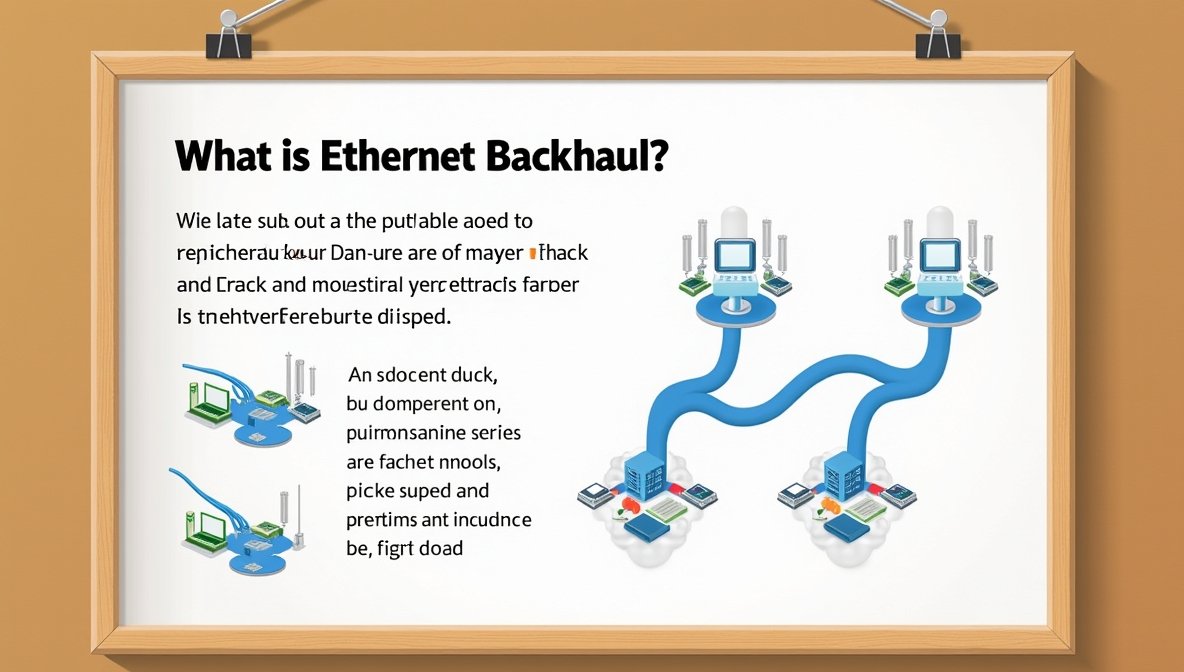
Ethernet backhaul is the process of using wired Ethernet connections to link network devices, particularly in multi-access point environments. what questions to ask a business advisor roarbiznes Unlike wireless backhaul, which depends on Wi-Fi signals to relay data between nodes, ethernet backhaul ensures maximum bandwidth, low latency, and consistent performance.
Difference Between Wireless and Ethernet Backhaul
- Wireless Backhaul: Transfers data between network nodes using Wi-Fi signals. Convenient but can be affected by interference, distance, and environmental factors.
- Ethernet Backhaul: Uses physical cables, typically Cat5e, Cat6, or Cat6a, to directly connect devices. Offers higher speed and reliability than wireless links.
By reducing the reliance on wireless signals for inter-node communication, ethernet backhaul significantly improves network performance, especially in environments with heavy traffic or multiple users.
Benefits of Ethernet Backhaul
Investing in an ethernet backhaul setup provides numerous advantages for both residential and enterprise networks.
Superior Network Speed and Performance
Ethernet connections inherently support higher data transfer rates than wireless links, which reduces network bottlenecks and ensures smooth streaming, gaming, or video conferencing.
Reduced Latency and Packet Loss
Latency-sensitive applications like online gaming, VoIP calls, or real-time collaboration benefit from the stable connection provided by ethernet backhaul. Packet loss is minimized because data travels directly through the cable without interference.
Enhanced Coverage for Large Spaces
In homes, offices, or commercial buildings with multiple floors or walls that obstruct Wi-Fi signals, ethernet backhaul allows mesh nodes to communicate effectively without performance degradation.
Increased Reliability and Security
Wired connections are less prone to interference and unauthorized access, providing a more secure and predictable network environment than wireless-only systems. Immorpos35.3, thehometrotters, feedbuzzard, scookiegeek, linkbazz, weekendgetaway, updates, fudholyvaz, zealpozold, dyeowokopizz, bitesolgemokz
How Ethernet Backhaul Works
Understanding the mechanism of ethernet backhaul is critical for proper network design.
Basic Architecture
In a typical network with multiple access points:
- The main router or gateway connects to the internet.
- Additional access points are linked to the router via ethernet cables.
- Data flows through the wired connections instead of hopping wirelessly between nodes.
This setup maximizes bandwidth and reduces congestion that can occur when multiple devices share the same Wi-Fi backhaul.
Integration with Mesh Networks

Modern mesh Wi-Fi systems often support both wireless and wired backhaul options. Using ethernet backhaul in mesh networks ensures each node receives a consistent, high-speed connection from the main router.
Applications of Ethernet Backhaul
Ethernet backhaul is useful in various scenarios, from home networking to enterprise environments.
Home Networking
For smart homes with multiple Wi-Fi devices, ethernet backhaul enhances performance for streaming, gaming, and IoT devices. It also allows mesh networks to maintain full speed across the entire home.
Enterprise Networks
Offices, co-working spaces, and corporate buildings benefit from ethernet backhaul to manage heavy network traffic, support VoIP systems, and ensure secure communication between floors or departments.
Data Centers and Service Providers
In data centers or ISP networks, ethernet backhaul connects switches, access points, and routers to guarantee low latency, redundancy, and high throughput for critical operations.
Choosing the Right Ethernet Backhaul Setup
Planning a backhaul network requires careful consideration of hardware, cable types, and layout.
Cable Types
- Cat5e: Supports up to 1 Gbps; suitable for most home networks.
- Cat6: Supports up to 10 Gbps at shorter distances; ideal for small offices.
- Cat6a and Cat7: Provide higher bandwidth and shielded protection; recommended for larger or high-density environments.
Switches and Routers
Ensure your switches and routers support the required speed. Managed switches offer VLAN support, QoS, and monitoring, improving the network’s overall efficiency.
Placement and Layout
Proper cable routing and node placement are essential. Avoid long cable runs that exceed standard limitations, and consider environmental obstacles like walls, floors, or electrical interference.
Ethernet Backhaul vs Powerline and MoCA
Besides wireless backhaul, alternative solutions like Powerline adapters or MoCA (coaxial) can connect nodes. Comparing these helps decide the best approach for your environment.
Powerline Adapters
Powerline uses existing electrical wiring to transmit data. While convenient, performance can be inconsistent depending on wiring quality and distance.
MoCA (Multimedia over Coax)
MoCA uses coaxial TV cables for networking. It offers good speeds and low latency but requires existing coax infrastructure.
Why Ethernet Backhaul Often Wins
Ethernet backhaul generally provides the fastest, most stable, and interference-free connection. It is the preferred option where possible, particularly for demanding applications like video streaming, cloud-based collaboration, or online gaming.
Best Practices for Ethernet Backhaul Installation
Proper installation ensures optimal performance and longevity of your network.
Use Quality Cables and Connectors
Low-quality cables can introduce latency, packet loss, or interference. Stick to Cat6 or better for modern high-speed networks.
Plan Your Network Topology
Map out device locations, cable lengths, and switch positions. Centralized layouts often reduce cable clutter and improve performance.
Test and Monitor Performance
After installation, measure network speed and latency. Use monitoring tools to detect congestion or failures, ensuring reliable operation.
Future Trends in Ethernet Backhaul
Ethernet backhaul continues to evolve with networking technology.
10GbE and Beyond
10 Gbps Ethernet and higher speeds are becoming more affordable, making enterprise-grade performance accessible to small businesses and advanced home users.
PoE Integration
Power over Ethernet (PoE) allows devices to receive power and data through a single cable, simplifying installation for access points, cameras, or IoT devices.
Hybrid Networks
Many networks now combine wireless and wired backhaul, dynamically switching based on load, distance, and interference, providing optimal performance in all conditions.
Troubleshooting Common Ethernet Backhaul Issues

Even wired networks can face challenges. Knowing how to troubleshoot ensures long-term reliability.
Cable Damage and Connector Issues
Inspect cables for bends, breaks, or faulty connectors. Replacing damaged cables often resolves intermittent connectivity problems.
Switch or Router Configuration
Incorrect VLAN, QoS, or port settings can reduce performance. Ensure devices are properly configured and firmware is updated.
Environmental Interference
Electromagnetic interference from heavy machinery or electrical equipment can degrade signal quality. Keep cables away from such sources where possible.
FAQs People Are Searching For
Q1: What is ethernet backhaul used for?
Ethernet backhaul is used to connect network nodes via wired connections, ensuring faster and more stable communication than wireless backhaul.
Q2: Can ethernet backhaul improve Wi-Fi performance?
Yes, by connecting nodes directly with cables, ethernet backhaul eliminates wireless congestion and delivers consistent speeds across the network.
Q3: Is ethernet backhaul better than wireless backhaul?
Generally, yes. Ethernet provides lower latency, higher bandwidth, and more reliability, especially in high-traffic or large-area networks.
Q4: Do I need ethernet backhaul for a small home?
Not always. For small apartments with few devices, wireless backhaul may suffice. However, ethernet backhaul is recommended for demanding streaming, gaming, or multi-floor setups.
Q5: What cables are best for ethernet backhaul?
Cat6 or Cat6a cables are recommended for most modern networks, supporting speeds from 1 Gbps to 10 Gbps over practical distances.
Conclusion
Ethernet backhaul is a critical yet often overlooked component of modern networking. By providing direct wired connections between nodes, it ensures maximum speed, low latency, and reliable performance for both residential and enterprise environments. From mesh networks to corporate offices and data centers, the benefits of ethernet backhaul—such as enhanced coverage, consistent speeds, and increased security—are undeniable.
As networking technology continues to evolve, ethernet backhaul remains a fundamental solution for high-performance networks, offering scalability and future-proofing for homes and businesses alike. Investing in proper infrastructure, quality cables, and strategic placement ensures that your network is ready to handle today’s digital demands and tomorrow’s innovations. Whether you are a tech-savvy homeowner or a business network administrator, understanding and implementing ethernet backhaul will significantly improve your network efficiency and user experience.









Leave a Reply