

In today’s hyper-connected world, seamless communication depends on complex networking systems operating quietly behind the scenes. From video calls and online gaming to smart cities and cloud computing, every digital interaction relies on an intricate web of infrastructure. Yet, many people rarely pause to consider how data actually travels from one point to another. A common question that arises in discussions about connectivity is what is backhaul, especially when exploring broadband, cellular networks, and enterprise systems.
To understand modern networking, we must look beyond routers and Wi-Fi signals. Behind every stable connection lies a carefully designed transport system that links local access points to the broader internet. Whether in rural villages or bustling metropolitan cities, network reliability depends heavily on this foundational structure.
The Basics of Network Infrastructure
Network infrastructure refers to the hardware and software resources that enable communication and data exchange. It includes routers, switches, transmission lines, wireless towers, and core data centers. These components work together to ensure that digital information moves efficiently from sender to receiver.
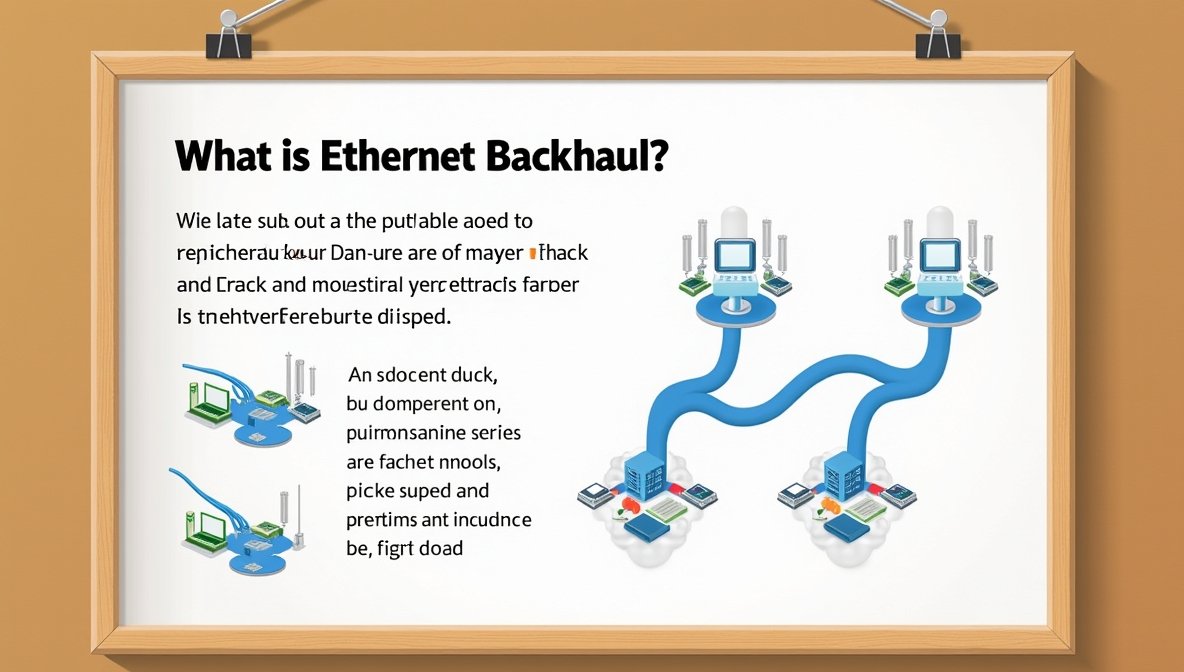
When someone asks what is backhaul, they are usually trying to understand how data travels beyond a local connection point. For example, when your smartphone connects to a nearby cell tower, that tower must transmit your data to the core network. The mechanism that carries that data from the local site to the central system forms an essential part of network architecture. what is wireless backhaul
Core vs. Access Networks
A network typically has two main segments:
- Access Network: The portion that directly connects users to the network, such as fiber-to-the-home, DSL lines, or cellular towers.
- Core Network: The central system that routes large volumes of data across regions and countries.
Bridging these two segments requires reliable transport capacity. This is where the concept behind what is backhaul becomes important, as it connects local endpoints to broader infrastructure.
How Data Travels Across Networks
To better grasp network operations, imagine sending a message from your phone. The signal first reaches a local access point — perhaps a Wi-Fi router or cellular tower. From there, it must travel to larger switching facilities and eventually reach its destination server.
When discussing what is backhaul, we are referring to that intermediate transport link that carries data from access nodes to aggregation or core nodes. Without this link, local connections would remain isolated and unable to reach the global internet.
Transmission Technologies
Several technologies support this transport layer:
- Fiber Optic Cables: Offer high speed and minimal latency.
- Microwave Links: Used in remote or hard-to-wire locations.
- Satellite Systems: Provide coverage in geographically challenging regions.
- Millimeter Wave Wireless: Increasingly used in 5G deployments.
Understanding what is backhaul becomes clearer when considering these transmission methods, as each supports the movement of aggregated data from multiple users.
Why Network Transport Capacity Matters

As internet usage increases, networks must handle massive volumes of traffic. Streaming services, cloud applications, and smart devices generate continuous data flows. If the transport layer cannot keep up, users experience slow speeds and dropped connections.
A practical way to understand what is backhaul is to compare it to a highway system. Even if neighborhood roads are well maintained, congestion on major highways can cause traffic delays. Similarly, insufficient capacity in the transport segment limits overall network performance.
Bandwidth and Latency
Two major performance indicators are:
- Bandwidth: The maximum data transfer rate.
- Latency: The time it takes for data to travel from source to destination.
High-capacity systems that address what is backhaul effectively minimize bottlenecks, ensuring smooth video calls, gaming sessions, and data transfers.
Backhaul in Cellular Networks
Cellular systems provide one of the most visible examples of this concept. Every cell tower serves hundreds or thousands of users simultaneously. However, the tower itself does not store or process all user data. Instead, it forwards traffic to centralized systems.
In mobile communications, understanding what is backhaul is essential because it directly influences call quality and mobile data speeds. As 4G and 5G technologies expand, operators invest heavily in high-capacity links to prevent network congestion.
5G and Increased Demand
5G networks promise ultra-fast speeds and ultra-low latency. However, these benefits depend heavily on robust transport links. Without sufficient capacity addressing what is backhaul, even the most advanced radio technologies cannot deliver their full potential.
Enterprise and Business Connectivity
Businesses rely on stable networks for cloud computing, online transactions, and remote work. Large enterprises often deploy private networks connecting multiple offices across regions.
When companies evaluate their infrastructure, they often analyze what is backhaul to ensure branch offices can efficiently transmit data to central servers. Weak transport links can slow down operations, reduce productivity, and disrupt communications.
Cloud Services and Data Centers
Cloud computing has increased reliance on high-speed connections between local sites and data centers. Efficient solutions addressing what is backhaul ensure consistent access to remote applications, storage, and collaboration tools.
Rural Connectivity Challenges
Providing internet access in rural areas presents unique obstacles. Sparse populations and difficult terrain increase deployment costs. In such regions, wireless microwave links or satellite systems often serve as transport mechanisms.
Discussions around what is backhaul frequently arise in rural development initiatives because expanding coverage requires cost-effective transport solutions. Without reliable connectivity between remote access points and core networks, digital inclusion remains limited.
Wireless vs. Wired Transport Methods
Both wired and wireless technologies support transport networks. Fiber offers superior performance but may be expensive to install. Wireless microwave systems provide flexibility and quicker deployment.
Evaluating what is backhaul involves comparing cost, performance, and scalability. Urban centers typically rely on fiber, while remote regions may depend on wireless alternatives.
Scalability and Future Growth
Modern networks must scale to accommodate increasing data demands. Internet of Things devices, autonomous vehicles, and smart infrastructure generate new streams of traffic.
Planning for the future requires understanding what is backhaul in terms of capacity forecasting. Operators must anticipate growth and upgrade transport links accordingly to avoid congestion.
Network Virtualization
Software-defined networking and network function virtualization improve efficiency. These technologies allow operators to manage traffic dynamically, optimizing transport paths and improving reliability.
Security Considerations
Security is critical in any network design. Data traveling between access points and core systems must remain protected from interception and tampering.
When analyzing what is backhaul, cybersecurity experts consider encryption, monitoring systems, and redundancy measures. A compromised transport link can disrupt entire regions.
Redundancy and Reliability
Reliable connectivity requires backup systems. Fiber rings, redundant microwave links, and alternative routing paths ensure service continuity during outages.
The question of what is backhaul often includes reliability planning. Engineers design systems with failover mechanisms so that if one path fails, traffic automatically reroutes.
Economic Impact of Strong Infrastructure
Reliable connectivity supports economic growth, education, healthcare, and innovation. Businesses expand more easily when network performance is consistent.
Investments addressing what is backhaul contribute directly to regional development. High-speed networks attract technology firms, remote workers, and digital entrepreneurs.
Environmental Considerations

Sustainable infrastructure planning reduces environmental impact. Fiber networks consume less energy than older copper systems, and modern wireless equipment improves efficiency.
Evaluating what is backhaul also includes considering energy consumption and long-term sustainability, especially as global data traffic continues to rise.
Future Trends in Network Transport
Emerging technologies promise to enhance performance and reduce costs. Advancements in fiber optics, satellite constellations, and wireless spectrum utilization will reshape connectivity.
Industry discussions frequently revisit what is backhaul as new innovations emerge. The transport layer remains foundational, regardless of how access technologies evolve.
Common Misconceptions
Many assume that faster Wi-Fi automatically guarantees better internet performance. However, even the strongest local signal cannot compensate for weak transport capacity.
Clarifying what is backhaul helps dispel myths and highlights the importance of balanced infrastructure investment across all network layers.
FAQs
Q1: Why is network transport capacity important?
Strong transport capacity ensures data flows smoothly between local access points and core systems without congestion or delays.
Q2: Does fiber always provide the best performance?
Fiber typically offers higher speeds and lower latency, but cost and terrain may influence deployment decisions.
Q3: Can wireless systems replace fiber entirely?
Wireless systems complement fiber but may face capacity and interference limitations in high-density areas.
Q4: How does 5G impact infrastructure planning?
5G increases demand for high-capacity transport links to support faster speeds and lower latency.
Q5: Why do rural areas face connectivity challenges?
Lower population density and difficult terrain make deployment more expensive and complex.
Q6: Is network reliability dependent only on local equipment?
No, reliability depends on the entire system, including core routing and transport links.
Q7: What causes network congestion?
Congestion occurs when data demand exceeds available bandwidth within any network segment.
Q8: How can companies improve connectivity?
Upgrading transport capacity, adding redundancy, and optimizing routing strategies improve performance.
Q9: Are satellite systems effective for remote regions?
Yes, modern satellite systems provide coverage where fiber or microwave deployment is impractical.
Q10: Will future technologies eliminate infrastructure challenges?
Innovation will improve efficiency, but careful planning and investment will always remain essential.
Conclusion
Modern digital communication depends on a layered and carefully engineered infrastructure. While users interact with devices and applications, complex systems operate in the background to ensure seamless connectivity. From fiber networks to wireless towers, each component plays a vital role.
Understanding what is backhaul reveals how critical the transport layer is in linking access networks to the core. It influences speed, reliability, scalability, and overall performance. As data demands continue to grow, investment in strong transport infrastructure will remain essential for both developed and emerging markets.
By appreciating the deeper mechanics behind network systems, individuals and organizations can make informed decisions about connectivity, infrastructure upgrades, and technological adoption. The continued evolution of communication networks will depend heavily on strengthening the foundational elements that keep the digital world connected.










Leave a Reply