
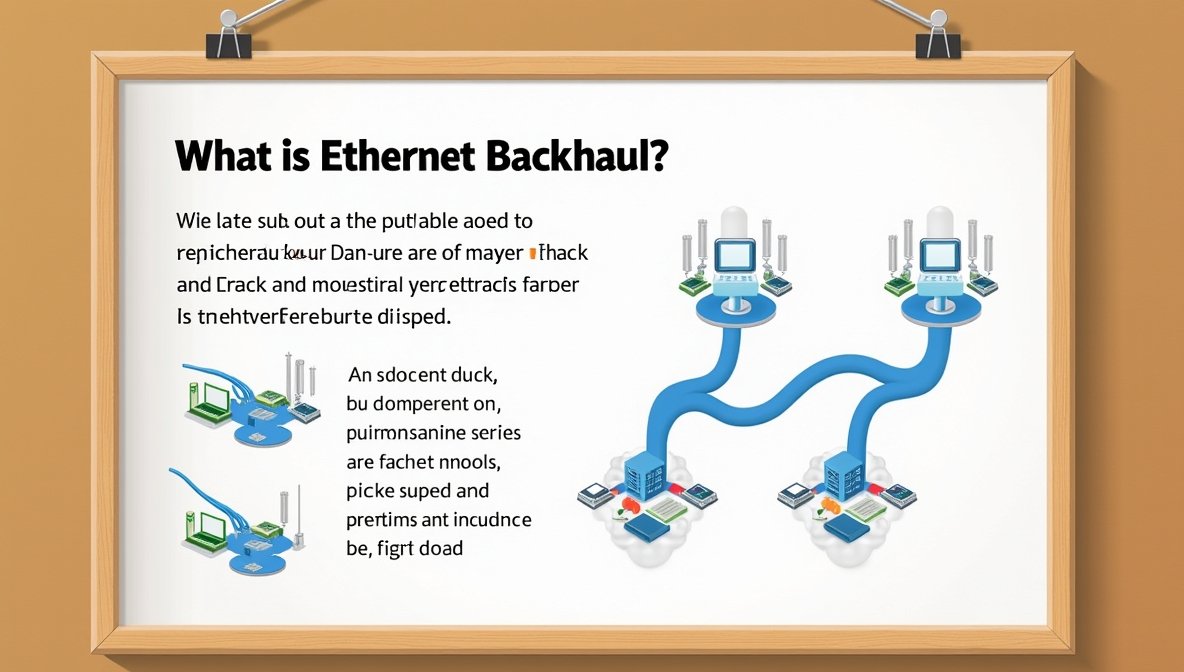
In today’s connected world, reliable internet access is no longer a luxury—it is a necessity. From smart homes and remote offices to enterprise-grade networking environments, stable and fast connectivity determines productivity and user experience. As networks grow more complex, especially with the widespread adoption of mesh Wi-Fi systems, users often encounter technical terms that may sound confusing at first. One such term is what is ethernet backhaul.
Understanding what is ethernet backhaul is essential for anyone looking to improve their network’s speed, reliability, and overall performance. Whether you are a homeowner setting up a mesh Wi-Fi system or an IT professional designing a corporate network, this concept plays a critical role in optimizing connectivity. This article provides a deep and structured exploration of the topic, explaining how it works, why it matters, and when it should be implemented.
The Basics of Network Backhaul
Before diving deeper into the main topic, it is important to understand the general idea of “backhaul.” In networking, backhaul refers to the connection that links smaller or local networks to the main network or internet source. It acts as the communication bridge between access points and the central router or gateway. wired backhaul
In a traditional setup, devices connect to a router, and the router connects directly to the modem. However, in larger environments—especially those using mesh Wi-Fi systems—multiple nodes or satellites are deployed to extend coverage. These nodes must communicate with the main router, and the method used for that communication is known as backhaul.
Backhaul can be wired or wireless. Wireless backhaul uses Wi-Fi signals to connect nodes, while wired backhaul uses physical Ethernet cables. The distinction between these two approaches significantly impacts performance, speed, and stability.
What Is Ethernet Backhaul?
To answer the question what is ethernet backhaul, we must focus on how mesh Wi-Fi nodes communicate. Ethernet backhaul refers to the use of Ethernet cables to connect mesh nodes or access points directly to the main router. Instead of relying on wireless signals to transmit data between nodes, a wired Ethernet connection carries that data.
This method ensures that communication between nodes does not consume wireless bandwidth. As a result, users often experience faster speeds, lower latency, and improved network stability. Understanding what is ethernet backhaul allows users to recognize why many networking experts recommend wired connections whenever possible.
In simple terms, it is a wired backbone that supports the internal communication of your network infrastructure.
How Ethernet Backhaul Works
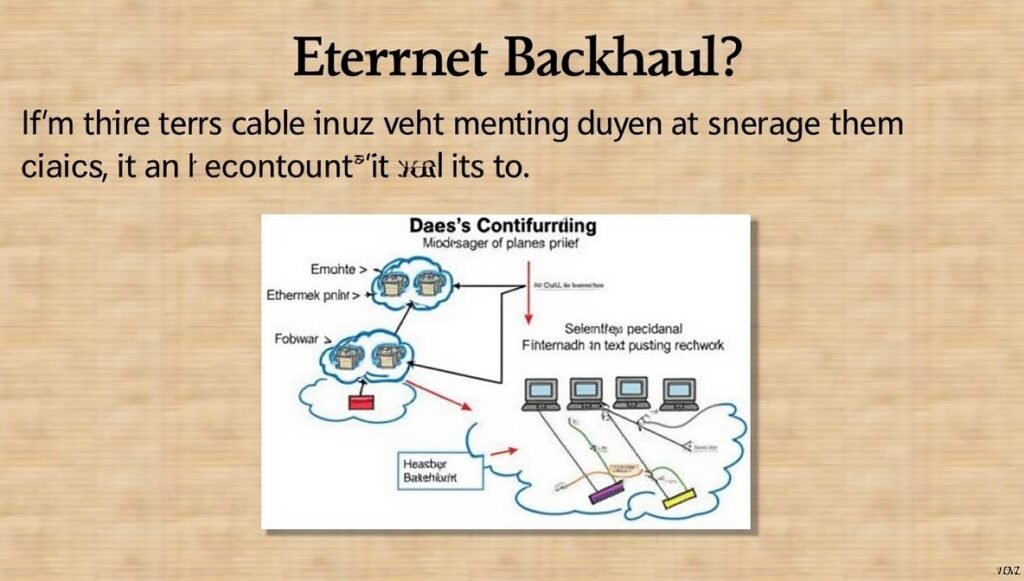
To better understand what is ethernet backhaul, imagine a home with three mesh Wi-Fi nodes. In a wireless backhaul setup, Node A communicates with Node B over Wi-Fi. This communication shares the same wireless spectrum used by connected devices, which can reduce performance.
In contrast, with Ethernet backhaul, each node connects directly to the main router using an Ethernet cable. Data travels through these cables rather than over Wi-Fi signals. This separation ensures that wireless bandwidth remains fully available for devices such as smartphones, laptops, and smart TVs.
The process typically works as follows:
- The modem connects to the main router.
- Ethernet cables run from the router to additional mesh nodes.
- Each node provides Wi-Fi coverage locally.
- Communication between nodes occurs through the wired Ethernet connection.
This setup dramatically reduces interference and improves data transmission efficiency.
Key Benefits of Ethernet Backhaul
Understanding what is ethernet backhaul becomes even more important when examining its advantages. Below are the primary benefits:
1. Improved Speed
When nodes communicate through Ethernet cables, they do not consume wireless bandwidth. This allows devices to use the full capacity of the Wi-Fi network.
2. Reduced Latency
Wired connections generally offer lower latency compared to wireless links. This is especially beneficial for online gaming, video conferencing, and streaming.
3. Greater Stability
Wireless signals can be affected by walls, appliances, and interference from neighboring networks. Ethernet connections are far more stable and consistent.
4. Better Scalability
Large homes or offices benefit significantly from Ethernet backhaul because it supports multiple nodes without degrading performance.
By clearly understanding what is ethernet backhaul, users can determine whether these benefits justify the installation effort.
Ethernet Backhaul vs. Wireless Backhaul
When comparing wired and wireless backhaul, several differences become apparent.
Performance
Wireless backhaul shares bandwidth with user devices. As more nodes are added, available bandwidth decreases. Ethernet backhaul avoids this issue by separating node communication from user traffic.
Reliability
Wireless connections are susceptible to interference, while Ethernet cables provide consistent performance regardless of environmental factors.
Installation Complexity
Wireless backhaul is easier to install because it requires no cables. Ethernet backhaul requires running cables through walls or ceilings, which may involve additional effort.
Cost Considerations
Although Ethernet cables are relatively inexpensive, professional installation can add costs. However, the long-term performance benefits often outweigh the initial expense.
By evaluating these factors, users can make informed decisions about what is ethernet backhaul and whether it suits their needs.
Real-World Applications
The practical applications of what is ethernet backhaul extend beyond residential environments.
Smart Homes
Homes filled with smart devices—cameras, thermostats, voice assistants—require stable connectivity. Ethernet backhaul ensures consistent coverage across all rooms.
Corporate Offices
Businesses depend on uninterrupted internet for daily operations. Wired backhaul enhances reliability and reduces downtime.
Educational Institutions
Schools and universities often deploy multiple access points. Ethernet backhaul helps maintain stable connections for hundreds of users simultaneously.
Healthcare Facilities
Hospitals rely on real-time data transmission. Low latency and high reliability are critical, making Ethernet backhaul a strong solution.
Installation Considerations
Before implementing Ethernet backhaul, several factors must be evaluated.
Cable Quality
Using high-quality Ethernet cables, such as Cat6 or higher, ensures optimal performance and future-proofing.
Router Compatibility
Not all mesh systems support Ethernet backhaul. Confirm compatibility before purchasing equipment.
Cable Routing
Plan cable routes carefully to minimize visible wiring and avoid damage.
Network Switches
In larger setups, network switches may be required to connect multiple nodes efficiently.
Understanding what is ethernet backhaul includes recognizing these logistical considerations to ensure successful implementation.
Common Misconceptions
There are several misconceptions surrounding what is ethernet backhaul.
One common belief is that wireless backhaul is always sufficient. While it works well in small spaces, performance can degrade in larger environments.
Another misconception is that Ethernet backhaul is only for advanced users. In reality, many modern mesh systems make the setup straightforward and user-friendly.
Some users also assume that faster internet plans eliminate the need for wired backhaul. However, internal network efficiency is separate from internet speed.
Clarifying these misunderstandings helps users make better networking decisions.
Performance Optimization Tips
To maximize the benefits of Ethernet backhaul, consider the following strategies:
- Use gigabit-capable routers and switches.
- Avoid mixing old and new cable standards.
- Keep firmware updated on all network devices.
- Regularly test network performance.
- Secure your network with strong encryption.
These steps ensure that the investment in Ethernet backhaul delivers optimal results.
Future of Ethernet Backhaul
As internet speeds continue to increase and smart devices multiply, network infrastructure must evolve. Multi-gigabit Ethernet standards are becoming more common, enabling even faster wired backhaul connections.
With the rise of remote work, cloud computing, and streaming services, stable connectivity is more critical than ever. Understanding what is ethernet backhaul prepares users for the future of networking by emphasizing reliability and scalability.
Technological advancements may introduce improved wireless technologies, but wired connections are likely to remain the gold standard for performance and stability.
FAQs
What is the primary purpose of Ethernet backhaul?
The main purpose is to provide a wired connection between mesh nodes or access points, improving speed, stability, and overall network performance.
Is Ethernet backhaul necessary for small homes?
In small apartments, wireless backhaul may suffice. However, Ethernet backhaul significantly enhances reliability and speed where cabling is feasible.
Does Ethernet backhaul increase internet speed?
It does not increase your internet plan speed but improves internal network efficiency, reducing latency and bandwidth loss.
Can I add Ethernet backhaul later?
Yes, many mesh systems allow users to switch from wireless to wired backhaul by simply connecting Ethernet cables.
Is professional installation required?
Not always. Many users can install Ethernet cables themselves, though professional help ensures clean and safe routing.
Conclusion
Reliable connectivity forms the backbone of modern digital life. From streaming high-definition videos to managing business operations, network performance directly impacts productivity and user satisfaction. By understanding what is ethernet backhaul, individuals and organizations can enhance their network infrastructure significantly.
Ethernet backhaul offers improved speed, reduced latency, and unmatched stability compared to wireless alternatives. While installation may require additional effort, the long-term benefits make it a worthwhile investment for many environments.
As networking demands continue to grow, implementing wired solutions ensures that systems remain efficient, scalable, and ready for future technological advancements. Ultimately, a strong and stable internal network lays the foundation for seamless digital experiences in homes, offices, and institutions alike.










Leave a Reply