

In the age of digital transformation, seamless and reliable network connectivity has become essential. Businesses, homes, and public spaces all rely on high-speed and stable internet connections to function efficiently. Among the many components that make a network reliable, wired backhaul plays a crucial role. This term, though technical, is central to understanding how data moves across networks, ensuring performance, reducing latency, and improving overall connectivity.
Wired backhaul refers to the use of physical cabling—such as Ethernet, fiber optics, or coaxial cables—to connect networking devices like routers, access points, or base stations. While wireless connections are convenient, they often face interference, signal degradation, and bandwidth limitations. By contrast, wired backhaul provides a stable and consistent pathway for data, making it indispensable in modern network design.
What is Wired Backhaul?
At its core, wired backhaul is the method of connecting the main network infrastructure to peripheral nodes using physical cabling. In a Wi-Fi mesh network, for instance, multiple access points communicate with each other and with the central router. While some networks rely solely on wireless connections between nodes, integrating wired backhaul ensures faster data transfer and eliminates bottlenecks.
Unlike wireless backhaul, which is susceptible to interference from walls, other devices, or distance, wired connections maintain consistent throughput. Fiber optics can carry vast amounts of data over long distances without signal degradation, while Ethernet cables provide reliable speeds suitable for most home and enterprise applications. backhaul meaning
Why Wired Backhaul Matters
The importance of wired backhaul cannot be overstated. Modern networks, especially in homes and enterprises, are often overwhelmed by the increasing number of devices demanding high bandwidth. Streaming, online gaming, video conferencing, cloud computing, and smart home devices all require stable connectivity. Wireless connections alone may fail to handle this demand efficiently, resulting in lag, dropped connections, or slower speeds.
Implementing wired backhaul allows network traffic to be carried on a dedicated and interference-free pathway. This reduces congestion, ensures low latency, and maintains consistent performance. For businesses, this is critical, as even brief network disruptions can impact productivity and customer experiences.
Wired Backhaul vs Wireless Backhaul
It is essential to understand the difference between wired and wireless backhaul to appreciate the benefits of a physical connection.
- Speed and Bandwidth: Wired backhaul generally offers higher speeds and greater bandwidth compared to wireless links. Fiber-optic backhaul, for example, can deliver gigabit or even multi-gigabit throughput.
- Reliability: Wireless backhaul can suffer from interference, signal loss, and congestion. Wired connections are not influenced by these factors, making them more dependable.
- Latency: Real-time applications like online gaming or video conferencing require low latency. Wired backhaul minimizes delays, offering a smoother experience.
- Cost and Installation: Wireless backhaul is easier to deploy, especially in hard-to-reach areas. Wired backhaul requires physical cabling, which may increase installation costs and complexity.
In many networks, a hybrid approach is used, combining wireless convenience with the reliability of wired backhaul where possible.
Applications of Wired Backhaul

Home Networks
In a modern home, multiple devices often compete for network resources. Wi-Fi mesh systems enhance coverage by placing multiple access points throughout the house. While these nodes can communicate wirelessly, connecting them via wired backhaul ensures maximum speed and stability, particularly for high-bandwidth activities like streaming 4K content or online gaming.
Enterprise Networks
Large enterprises rely on extensive networks connecting servers, switches, access points, and employee workstations. Wired backhaul forms the backbone of these networks, supporting high-speed internal communications, cloud access, and VoIP systems. Using wired connections reduces downtime and ensures consistent service quality.
Telecommunications
Telecom providers use wired backhaul to connect cellular base stations to the core network. Fiber optics and high-capacity cables allow massive amounts of data to flow between mobile towers and network hubs, enabling high-speed mobile internet, voice calls, and multimedia services.
Public Spaces
Airports, stadiums, and universities often deploy Wi-Fi networks to accommodate thousands of users simultaneously. A wired backhaul connecting access points to the main network infrastructure prevents bottlenecks and maintains seamless service across large areas.
Advantages of Wired Backhaul
- Consistent Performance: Unlike wireless links, wired backhaul maintains consistent speed and connectivity, regardless of distance or interference.
- High Bandwidth: Wired connections can support more devices and higher traffic loads without affecting performance.
- Low Latency: Physical cables minimize delays, essential for real-time applications like online gaming, video conferencing, and VoIP.
- Reliability: Wired backhaul is less susceptible to environmental factors like walls, weather, or electronic interference.
- Security: Physical connections are inherently more secure than wireless links, reducing the risk of unauthorized access.
These advantages make wired backhaul a preferred choice for mission-critical networks, high-density environments, and performance-focused setups.
Implementing Wired Backhaul
Choosing the Right Cables
Selecting the appropriate cabling is essential. Common options include:
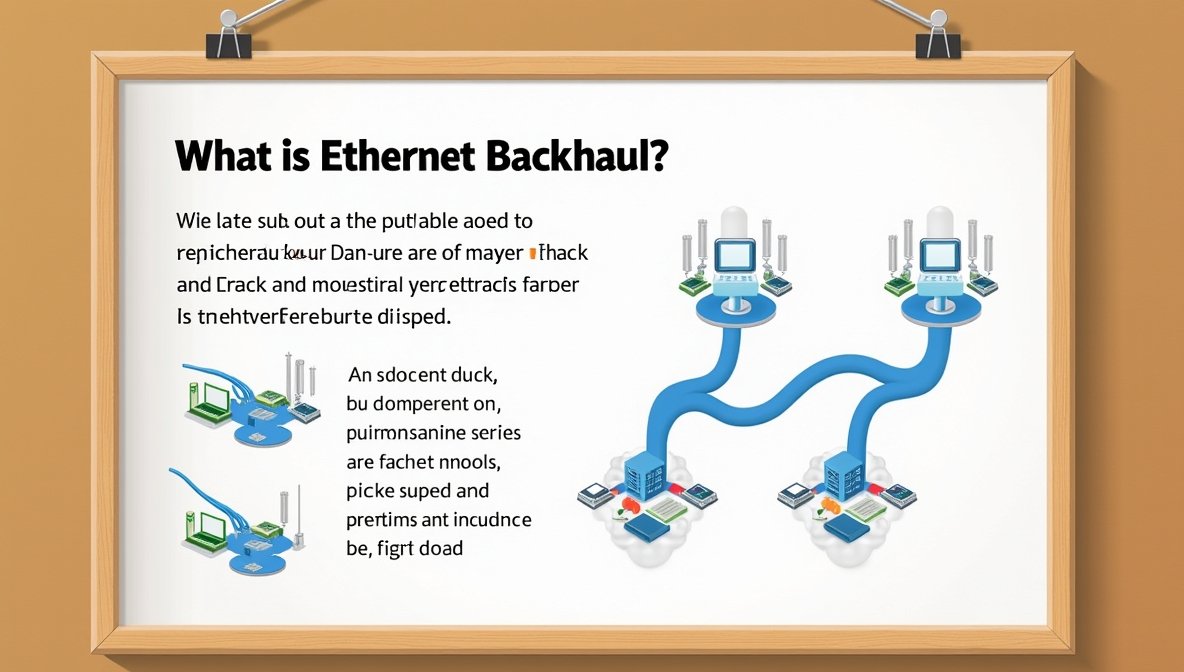
- Ethernet (Cat5e, Cat6, Cat6a): Widely used for home and office networks, capable of gigabit speeds.
- Fiber Optic: Ideal for long-distance or high-speed networks, offering minimal latency and interference-free transmission.
- Coaxial: Often used in cable internet connections and older infrastructure setups.
Placement of Cables
Proper cable routing is crucial for efficiency and safety. Avoid running cables near electrical interference sources, and consider using conduits or cable management solutions to protect the infrastructure.
Integration with Network Devices
Modern routers and access points often support wired backhaul ports. Connecting these devices ensures they use the cable for data transfer rather than relying solely on wireless links, enhancing overall network performance.
Testing and Maintenance
After installation, network performance should be tested to verify that speeds, latency, and reliability meet expectations. Routine checks help detect potential issues before they affect users.
Wired Backhaul in Mesh Networks
Mesh networks are designed to provide seamless coverage across large areas. Nodes in a mesh network can communicate wirelessly or via wired backhaul. While wireless connections offer flexibility, wired backhaul ensures that each node has a stable, high-speed link to the central router. This setup reduces congestion, maximizes throughput, and enhances the performance of the entire network, particularly in environments with heavy traffic or interference.
Hybrid Approaches
Many networks adopt a hybrid approach, combining wired and wireless backhaul. This allows flexibility where wiring is impractical while still benefiting from the reliability of physical connections. For example, some access points may use wireless backhaul in hard-to-wire locations but switch to wired backhaul when possible, optimizing performance across the network.
Common Challenges and Solutions
Installation Complexity
Running cables can be labor-intensive, especially in existing buildings. Solutions include planning cable routes in advance, using cable management systems, and considering alternative paths through attics or conduits.
Cost
Wired backhaul can be more expensive due to materials and labor. Balancing cost with performance needs ensures an optimal investment.
Cable Damage
Physical cables are prone to wear, cuts, or environmental damage. Protective conduits, proper routing, and regular inspections help minimize this risk.
Compatibility
Not all devices support wired backhaul. Ensuring that routers, access points, and switches have the necessary ports is essential for seamless integration.
Future of Wired Backhaul

With the rise of 5G, IoT, and smart cities, network demands will continue to grow. Wired backhaul remains critical to meet these demands, supporting high-capacity connections and low-latency applications. Even as wireless technologies advance, wired connections will continue to serve as the backbone for reliable, high-speed networks.
Fiber optic technology, in particular, will play a significant role in the future, providing ultra-fast data transmission and supporting emerging technologies like autonomous vehicles, remote surgery, and immersive virtual reality experiences.
Frequently Asked Questions (FAQs)
What is the main purpose of wired backhaul?
The primary purpose of wired backhaul is to provide a stable and high-speed connection between network nodes and the central infrastructure, reducing latency and improving reliability.
Can wireless networks function without wired backhaul?
Yes, wireless networks can function independently, but they may suffer from congestion, slower speeds, and higher latency, especially in high-density environments.
What types of cables are used in wired backhaul?
Ethernet cables (Cat5e, Cat6, Cat6a), fiber optic cables, and sometimes coaxial cables are commonly used, depending on speed requirements and distance.
How does wired backhaul improve mesh network performance?
It provides a dedicated pathway for data transfer between nodes, reducing interference and maximizing throughput, which ensures seamless coverage.
Is wired backhaul necessary for homes?
While not always required, wired backhaul significantly improves performance in homes with multiple devices, high-bandwidth activities, or larger layouts.
Can wired backhaul coexist with wireless backhaul?
Absolutely. Hybrid networks use both wired and wireless backhaul to balance performance and flexibility.
Does wired backhaul offer better security?
Yes. Physical connections are less susceptible to hacking or unauthorized access compared to wireless links.
Conclusion
As networks become more complex and demands for high-speed, low-latency connectivity increase, wired backhaul remains a cornerstone of modern network design. Its reliability, performance, and security make it indispensable for homes, businesses, telecom networks, and public spaces. While wireless technologies provide flexibility, wired backhaul ensures consistent and stable connectivity, supporting a wide range of applications from streaming and gaming to critical enterprise operations.
Understanding, implementing, and maintaining wired backhaul is essential for anyone looking to optimize their network. By combining the reliability of physical connections with the convenience of wireless networks, modern networking achieves the perfect balance between speed, coverage, and stability. As technology evolves, wired backhaul will continue to serve as the backbone of high-performance, future-ready networks.









Leave a Reply